One of the most dynamically developing areas of modern industrial production is laser technology, especially 3D laser cutting, which opens up new dimensions in metalworking. This process allows for the high-precision and fast machining of complex, curved, bent or welded parts, while minimizing distortion due to thermal action. In our article, we will show you how this advanced technology works, what machines are needed, in which industries it is used, and what advantages it offers in optimizing production processes.
What is 3D laser cutting?
3D laser cutting is an advanced industrial machining technology in which a focused laser beam is used to cut three-dimensional (three-dimensional) shapes from various materials – most commonly metals. Its biggest advantage is that it can cut complex, curved or already pre-bent workpieces with high precision, which is the traditional It is not possible with 2D laser cutting, or only with serious compromises.
How does 3D laser cutting work?
3D laser cutting is a CNC-controlled (computer-numerically controlled) manufacturing process in which a focused laser beam cuts the material while spatial (three-dimensional) control is performed. This allows you to cut complex shapes, curved surfaces and curved workpieces with precision – with precision that other technologies cannot guarantee.
Steps of operation:
Creating a laser beam
The equipment uses a fiber or CO₂ laser source. These produce a high-energy, focused laser beam that is suitable for cutting through metals.
Beam Control and Focus
Optical systems – mirrors, lenses – direct and focus the laser on the workpiece. The cutting head can even be rotated (for 5-axis machines) to achieve complex angles.
CNC Control
The machine moves the laser beam and/or the workpiece along an X, Y, and Z axes, based on a pre-programmed path. This ensures spatial accuracy even on curved or convex surfaces.
Material removal
The focused laser melts, vaporizes, or burns the material locally. A blower of air or gas (e.g. nitrogen or oxygen) helps to remove the molten parts, creating a clean cutting surface.
Continuous feedback
In many devices, sensors measure distance and position so that the laser always works in optimal focus – this guarantees quality even on changing geometries.
What machines do 3D laser cutting companies use for this?
Machines used for 3D laser cutting are CNC-controlled laser systems developed specifically for spatial cutting, which can be either a stand (gantry) design or systems integrated with a robotic arm – depending on how much flexibility and automation is required.
Here are the most common types of machines and their characteristics:
5-Axis CNC Laser Cutting Machines
- Application: Automotive, Sheet Metal Processing, Bent Parts
- Movement: X, Y, Z Axis + Tilt/Rotate (A, B Axis)
- Laser type: Fiber or CO₂ laser (1 to 6 kW in general)
- Advantage: Perfect for curved, inclined, hard-to-reach surfaces
- Manufacturers: Trumpf TruLaser Cell, Prima Power, Bystronic, Mazak
It is often used by industrial players for cutting body parts, pipes, coverings.
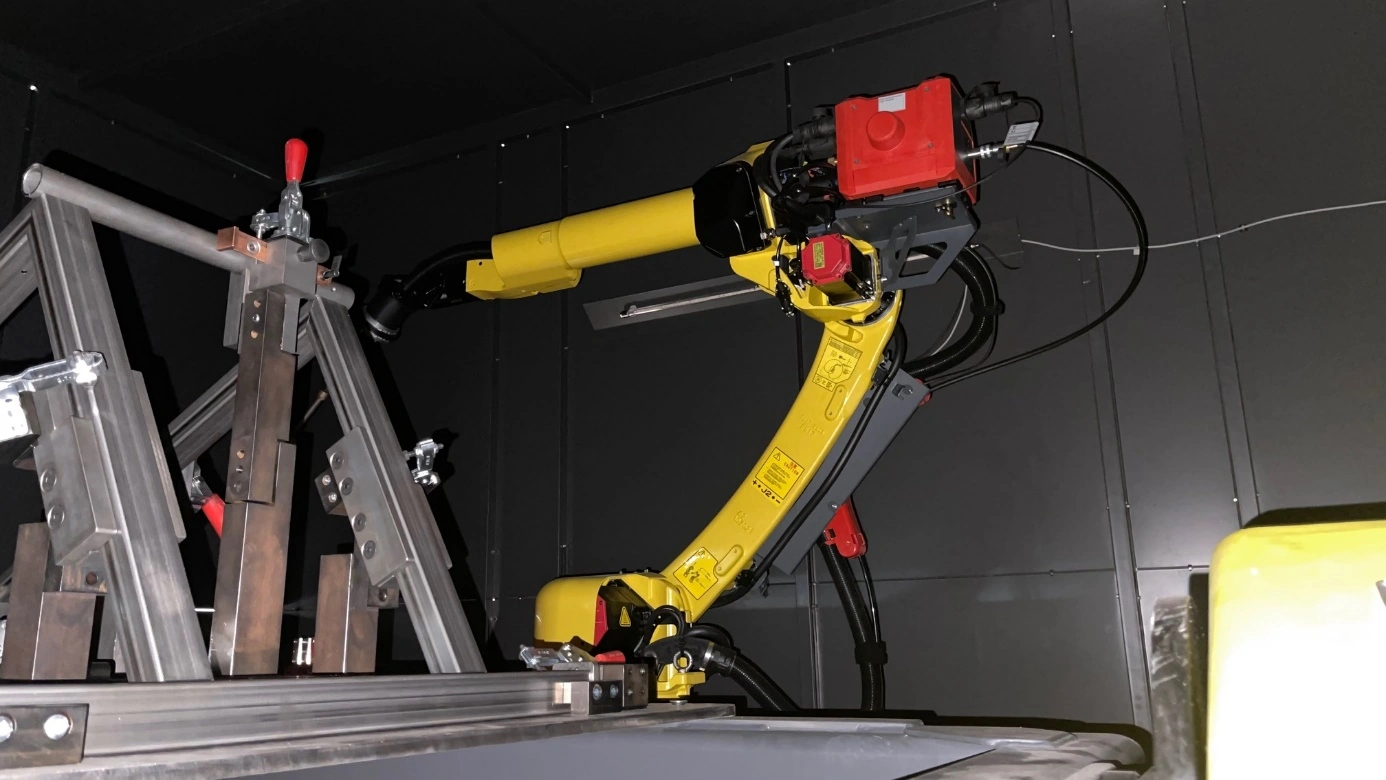
Robotic Arm Laser Cutting Systems
- Applications: series production, complex 3D molds, automation
- Construction: industrial robot arm (e.g. KUKA, FANUC) equipped with laser head
- Integration: automatic feeding, connection to production line
- Freedom of movement: up to 6-7 axis of movement
- Advantage: Highly flexible, even welding and cutting within one system
Typical area of application: automotive exhausts, heat shields, machine parts.
3D Tube and Profile Cutting Laser Machines
- Application: machining hollow sections, pipes, profiles
- Laser type: fiber laser in the range of 1 to 4 kW
- Features: automatic feeding, positioning, internal cutting
- Advantage: combination of precision + production speed
- Manufacturers: BLM Group, Adige, Bodor, HSG Laser
Industries for which it is applied: furniture industry, mechanical engineering, steel structure manufacturing
Additional systems
- CAD/CAM software: 3D model-based programming (e.g. Lantek, Siemens NX)
- Sensory distance control: active focus tracking on curved surfaces
- Gas systems: control of auxiliary gas (oxygen, nitrogen)
- Interchangeable pallets, feeders: to speed up the production cycle
What criteria do contractors use to choose a machine?
- What materials need to be cut? (steel, aluminum, copper, etc.)
- Piece size and geometry characteristics
- Serial or custom production required
- What is the required precision and cutting speed
In what areas is 3D laser cutting used?
Automotive industry
It is one of the main users of 3D laser cutting technology in the automotive industry.
- Cutting and correcting body parts
- Precise machining of exhaust systems and pipe fittings
- Design of collision protection elements and stiffeners
- Punching and shaping heat protection plates
Advantage: Precise, fast and suitable for series production – even on bent or already welded parts.
Aerospace
Here, the precise processing of lightweight but durable structural elements is particularly important.
- Internal structural elements, panels, coverings
- Engine compartment parts, air ducts
- Precise cutting of titanium and aluminum alloys
Advantage: minimal heat input, distortion-free cutting – critical for flight safety.
Medical technology
Due to its precision and sterility, it is also an ideal choice for the production of medical devices.
- Surgical instruments, scissors, forceps
- Implants (e.g. knee prostheses, hip replacement frames)
- Dental components, metal braces
Advantage: extremely small tolerances (up to ±0.05 mm), excellent surface quality.
Mechanical engineering and industrial component manufacturing
Wide range of applications for machine frames, enclosures, individual components.
- Pipe and profile cutting, frame structures
- Tool production with unique shapes
- Design of internal reinforcements, ribs, plates
Advantage: quick changeover between prototype and series, no new tools required.
Interior Design and Design Industry
3D laser cutting offers special opportunities in metalworking for aesthetic purposes.
- Decorative elements, patterns on sheet metal
- Furniture elements, metal frames, legs
- Custom molding of lighting fixtures and coverings
Advantage: great creative freedom, detailed cutouts, curved shapes.
What are the advantages and disadvantages of 3D laser cutting?
3D laser cutting It is a highly advanced technology that is a beneficial solution in many industries, but it also has some limitations. Below we will show you the main advantages and disadvantages of the procedure.
Advantages of 3D laser cutting
One of its biggest advantages is its high degree of precision – we can work with tolerances of up to ±0.1 mm, even on curved or inclined surfaces, which is especially important in the automotive or aerospace industries, for example. The technology allows you to machine complex geometries, so that bent, welded or shaped parts can be cut without any problems. Since it is a non-contact process, the material is not deformed and thermal distortion is minimized. In addition, laser cutting is extremely fast, cycle times are short and little rework is required. 3D laser cutting results in excellent cutting quality with sharp, clean edges – often without grinding or grinding. Another advantage is that it can be used in a wide range of materials, such as steel, stainless steel, aluminum or copper. It is particularly cost-effective in series production, as it can be automated and enables quick changeovers between different workpieces.
Disadvantages of 3D laser cutting
The technology also has disadvantages that must be taken into account. The most significant of these is the high investment cost: 5-axis CNC machines or robotic arm systems require significant capital. In addition, trained operators are required who are familiar with the programming, maintenance and operation of the machines. The technology is also limited in terms of material thickness – usually up to a thickness of 15-25 mm is ideal, above which other techniques (e.g. plasma or waterjet cutting) may be more effective. Some reflective surfaces, such as copper or aluminum, can be challenging because they can reflect the laser beam, so a special laser type or setup may be required. Finally, since auxiliary gases (e.g., nitrogen, oxygen) are used in laser cutting to improve cutting quality, this means additional cost and technical infrastructure.
How can Innomechanikai Kft. help its partners in 3D laser cutting?
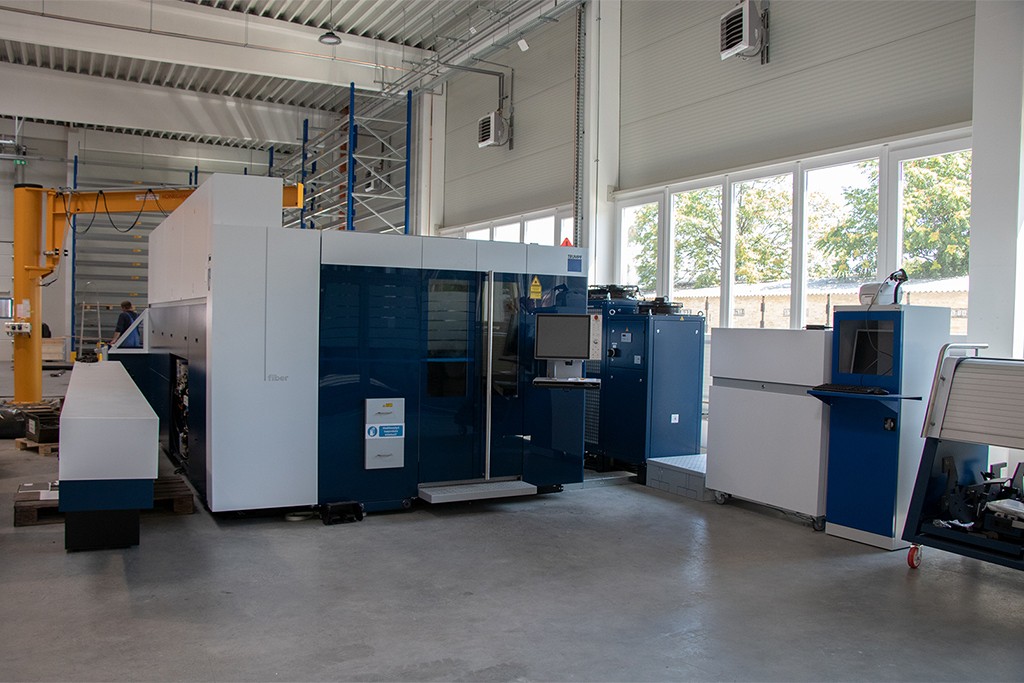
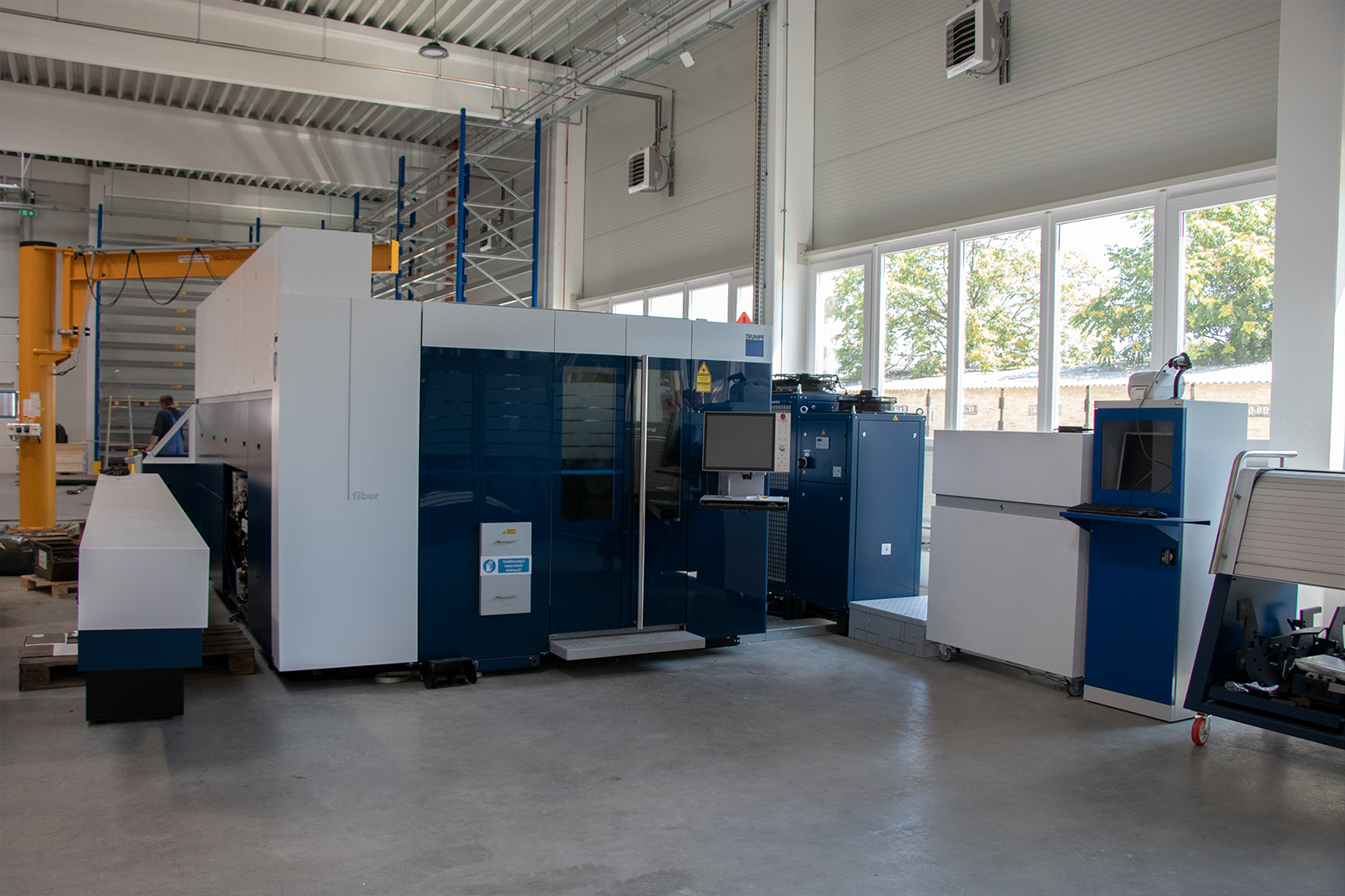
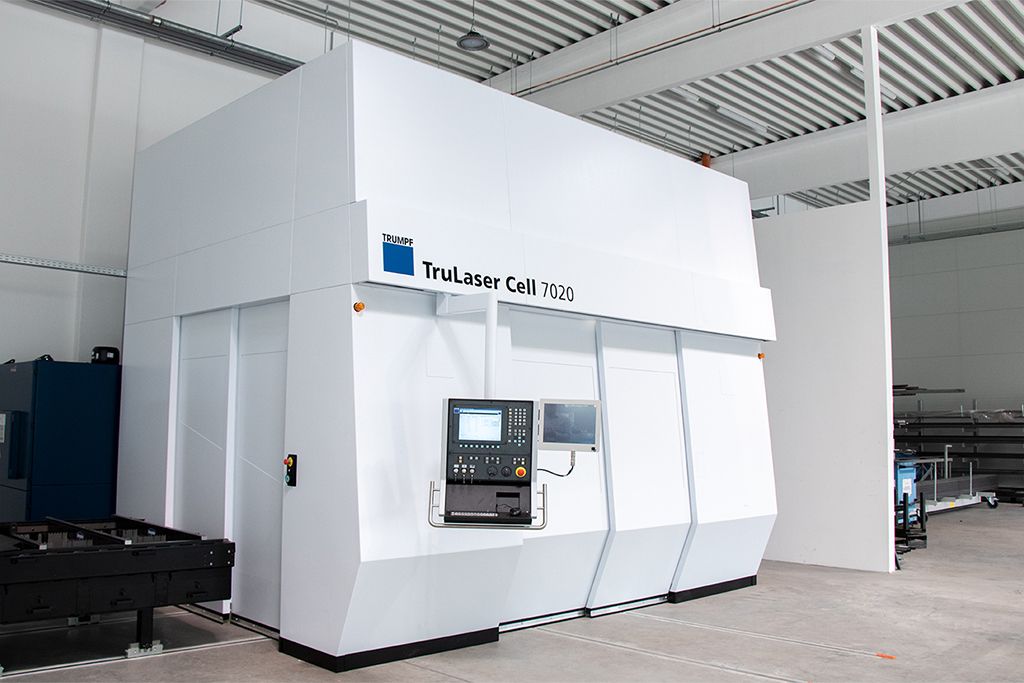
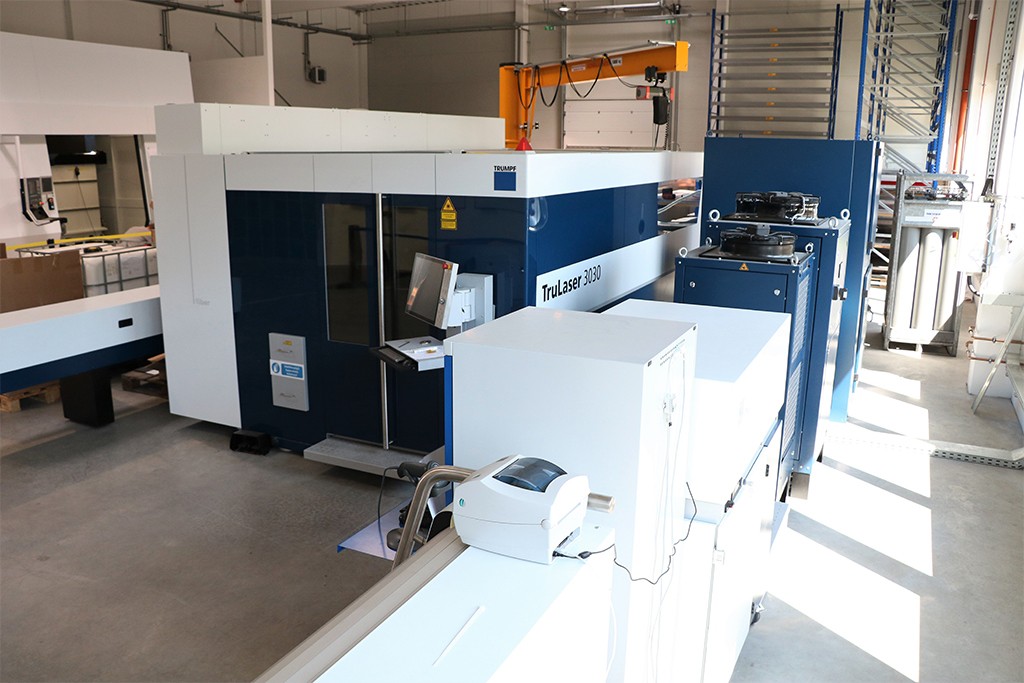
Innomechanika Ltd. offers high-quality, industrial-level solutions to its partners in the field of 3D laser cutting. The company’s modern production hall is equipped with the latest technologies, including Trumpf TruLaser Cell 7020 with 3D laser cutting and welding equipment, which enables precise and fast machining of complex, three-dimensional parts. This technology is particularly useful in industries where complex geometric designs, high tolerances and fast production cycles are required – for example, in the medical technology, automotive or mechanical engineering industries.
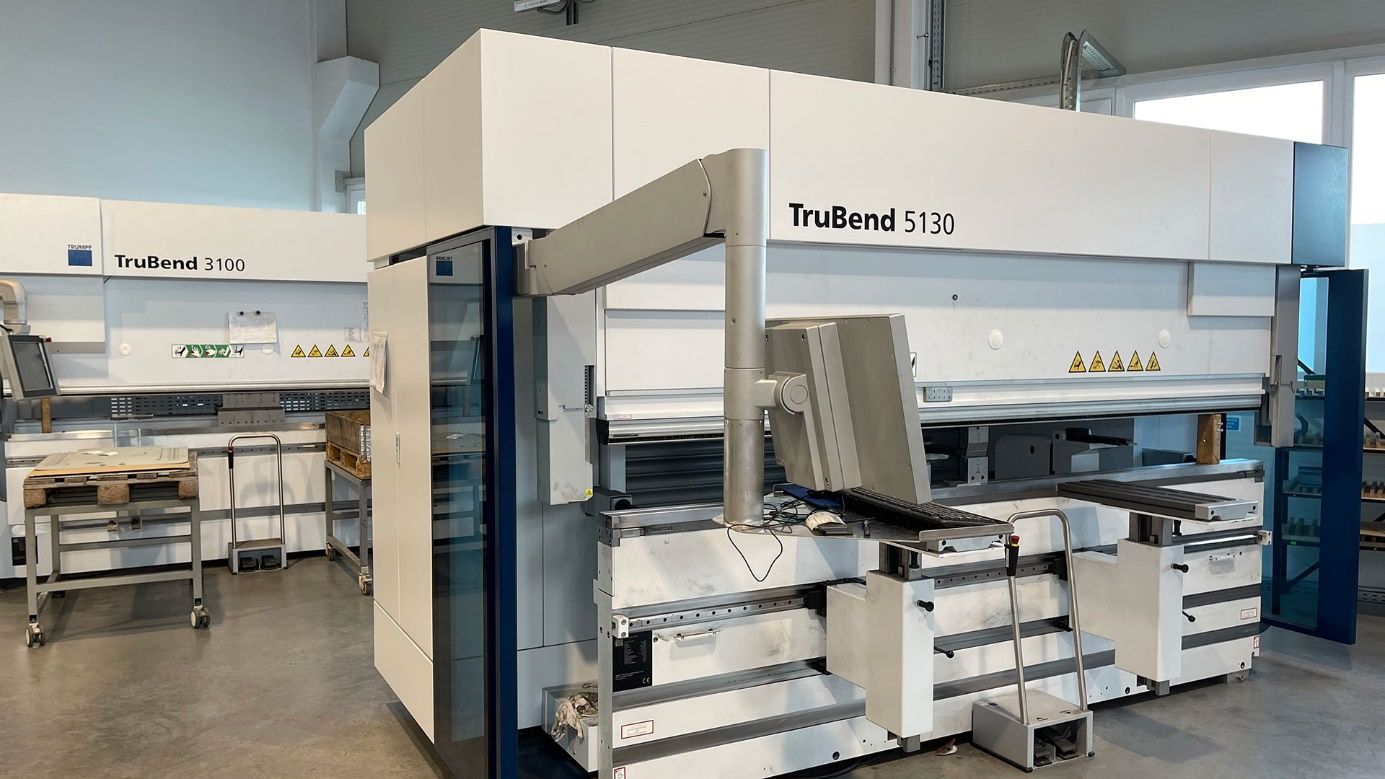
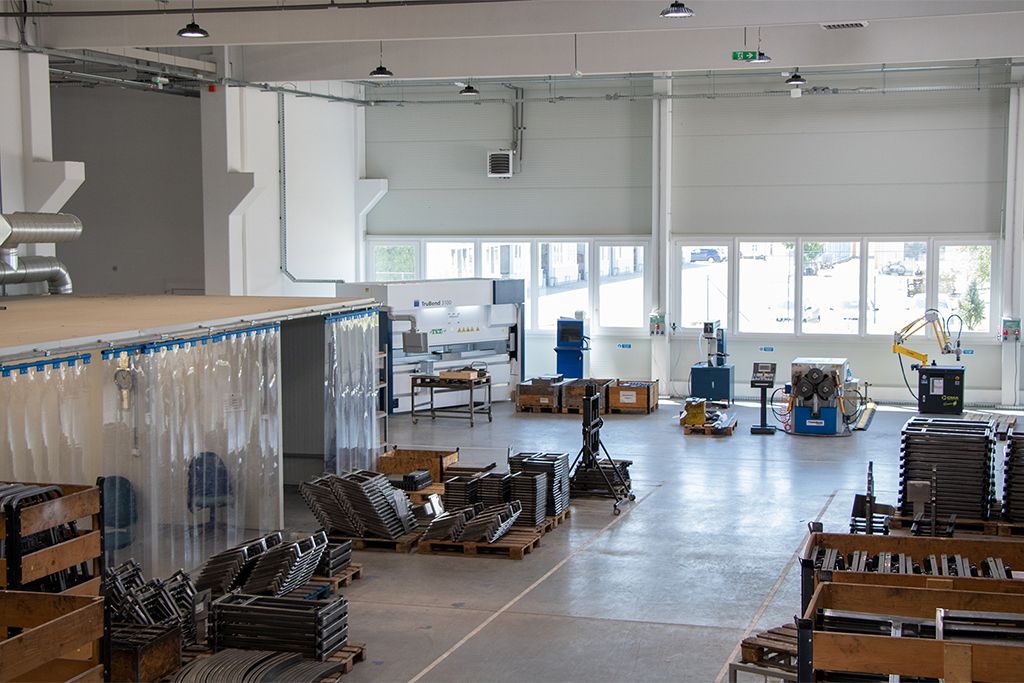
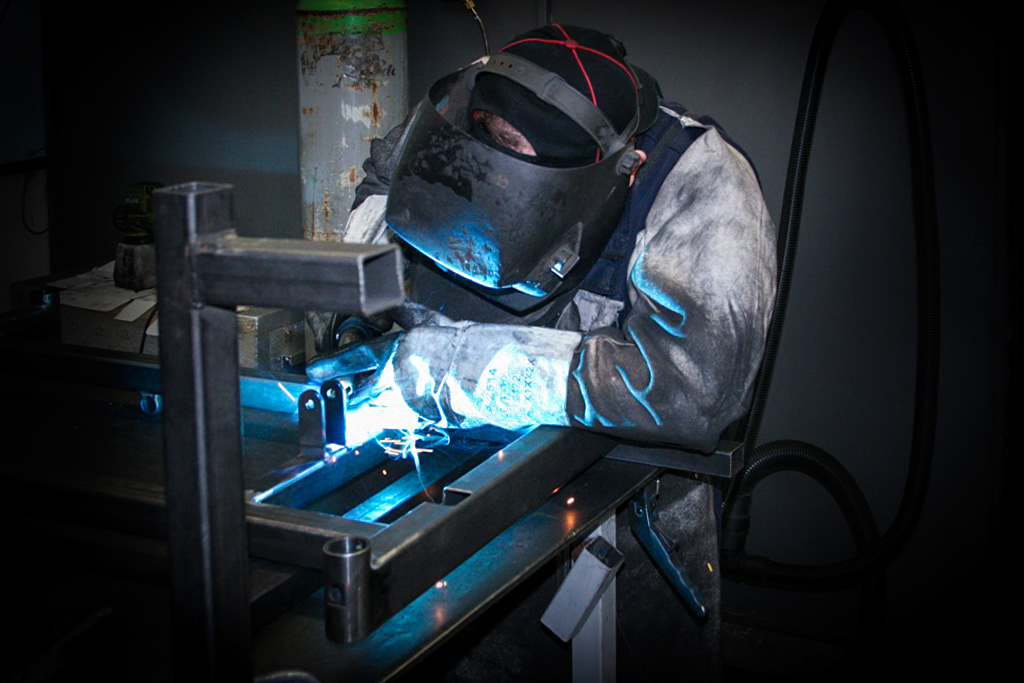
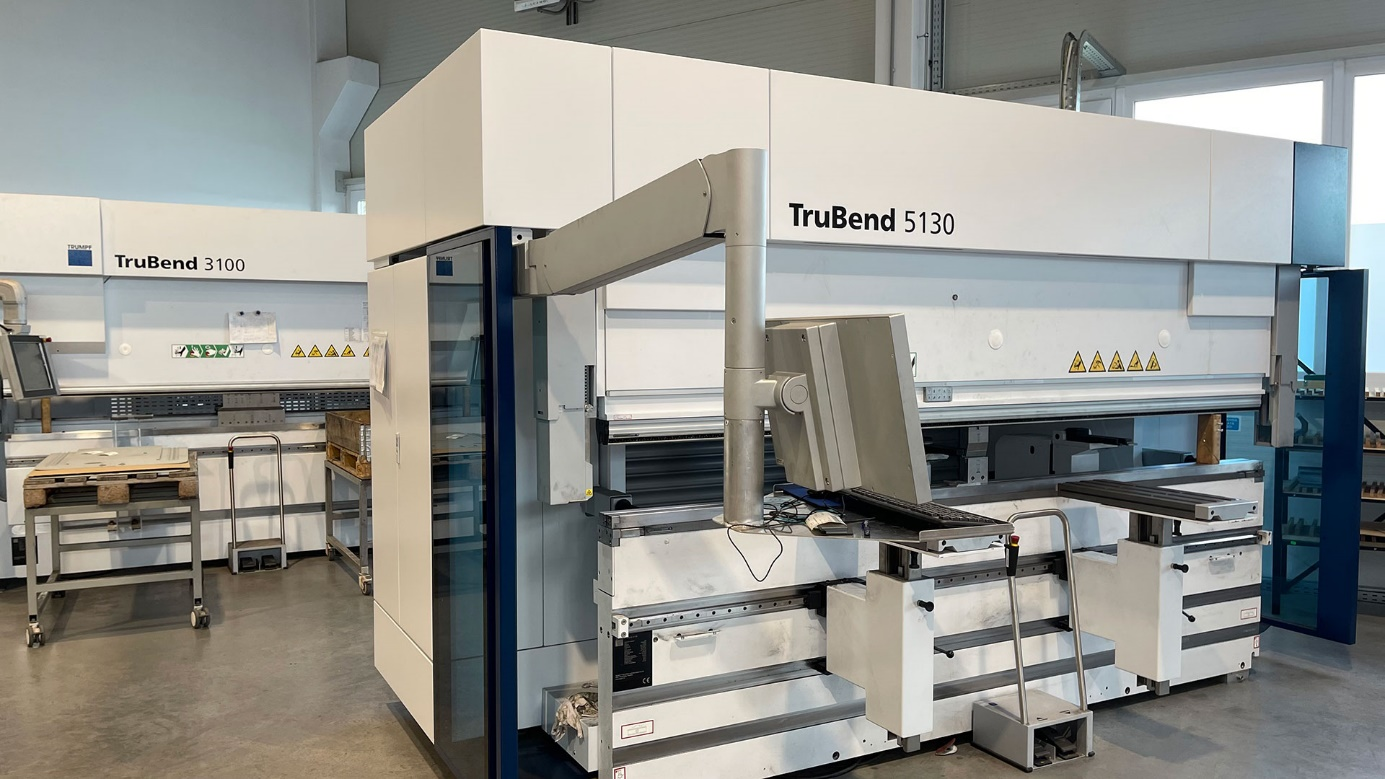
Our company does not only focus on the cutting operation: it offers a full range of metalworking services, including sheet metal processing, bending, welding and powder coating also. This allows customers to receive a complete solution from a single source – from prototype to series production. Innomechanika places special emphasis on quality and innovation, which is also shown by the fact that it plays a prominent role in the strictly regulated medical technology sector, where precision and reliability are basic expectations.
Our company’s expertise, advanced machinery and dedicated engineering team allow you to flexibly and efficiently adapt to the individual needs of your partners – whether it is individual parts, small series production or larger, automated processing. Through all this, our company can contribute to the competitiveness of its customers not only as a supplier, but also as a real strategic partner.
Concluding thoughts
3D laser cutting Today, it is no longer just a technological innovation, but a real competitive advantage for companies that strive for precision, flexibility and efficiency. Whether in prototype production or series production, this process allows you to react quickly to market demands – without compromise. Companies such as Innomechanika Kft., contribute to the success of their partners not only with their technological background, but also with their complex service approach, so 3D laser cutting can truly become the production technology of the future.
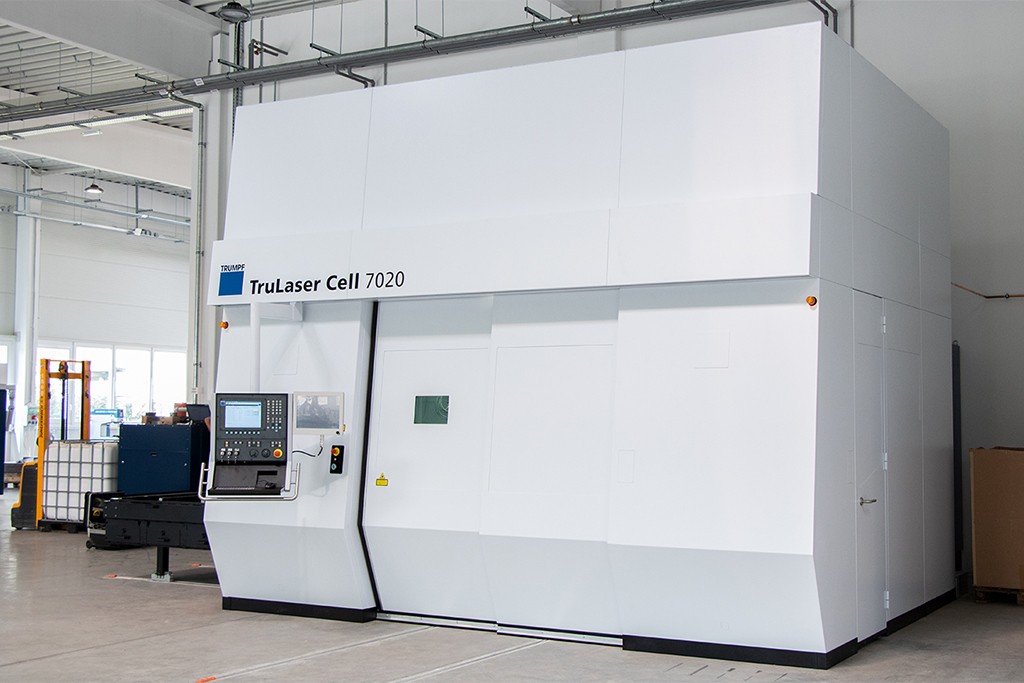 The most important things to know about 3D laser cutting at a glance